April 22, 2024
With the rain having stopped, we decided to ride the motorcycle to McGehee and tour the Jerome-Rohwer Interpretive Museum and Visitors Center.
We decided to eat BBQ in McGehee before touring the museum as they have “Hoots,” which is on the Arkansas BBQ trail.
We found Hoots to have outstanding BBQ and a great big lot for RV and big truck parking. So if you are traveling on Hwy 65 in Arkansas, Hoots is a good place to stop. It may not look like much from the outside, but it has great BBQ and service.

After eating, we rode to the Jerome-Rohwer Interpretive Museum and Visitors Center.
It is near the old train depot, so we walked around enjoying the rose garden and the outside of the well kept train depot.


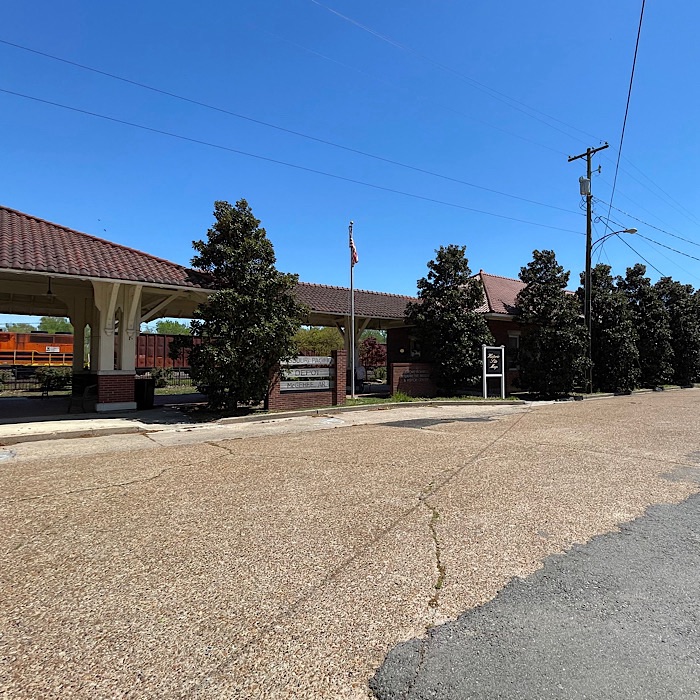


The museum was built in the same style of the train depot. It appears to have been a restaurant for the train travelers.
I found this to be one of the most thought provoking and disturbing museum I have visited. I felt chilled after touring the museum. The fact that an executive order was used is mind boggling scary to me.


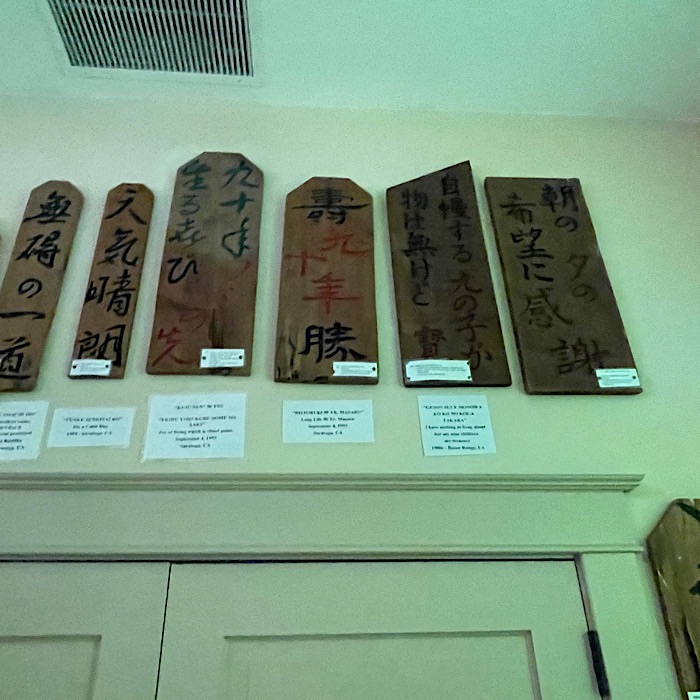


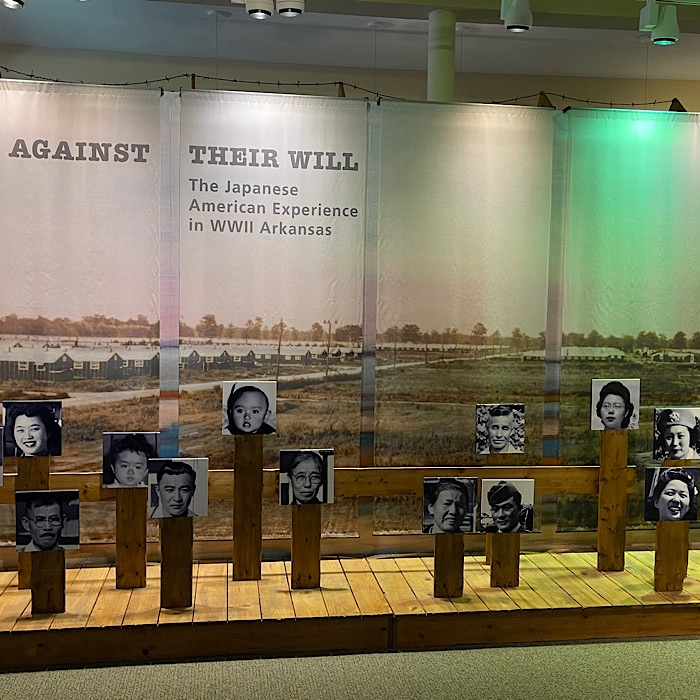
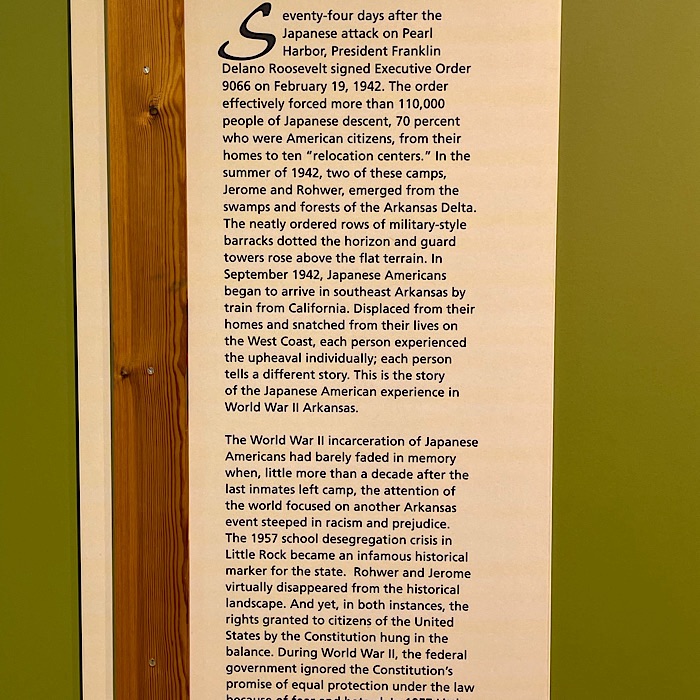
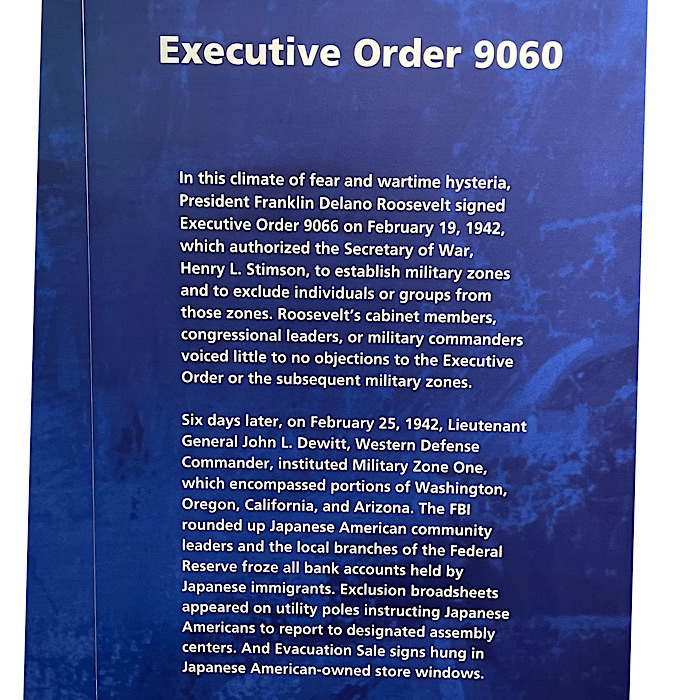


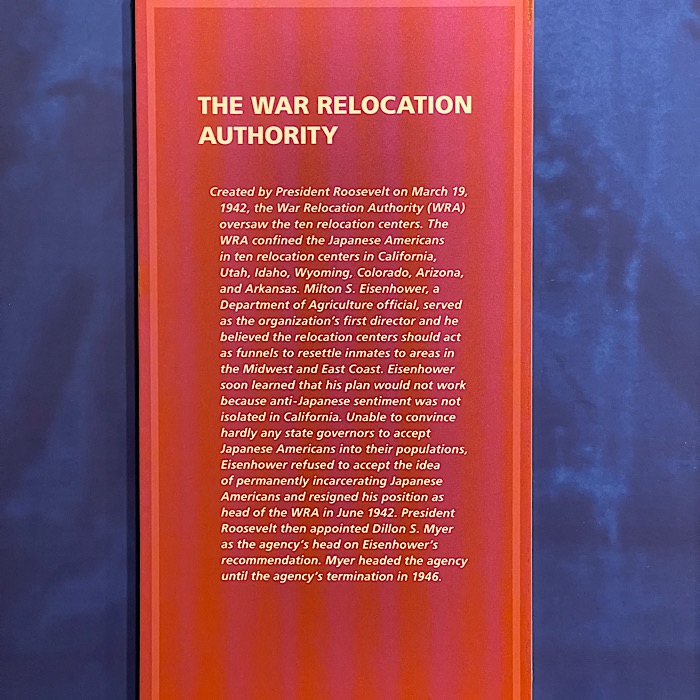


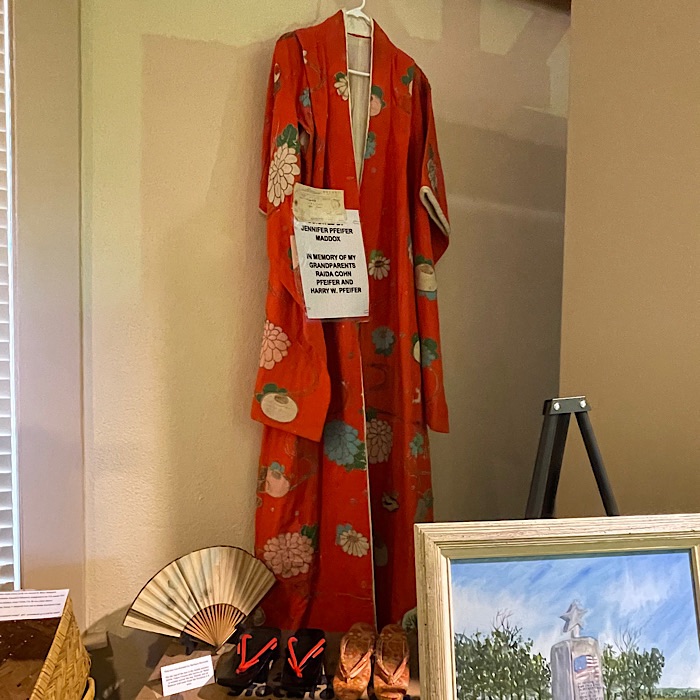
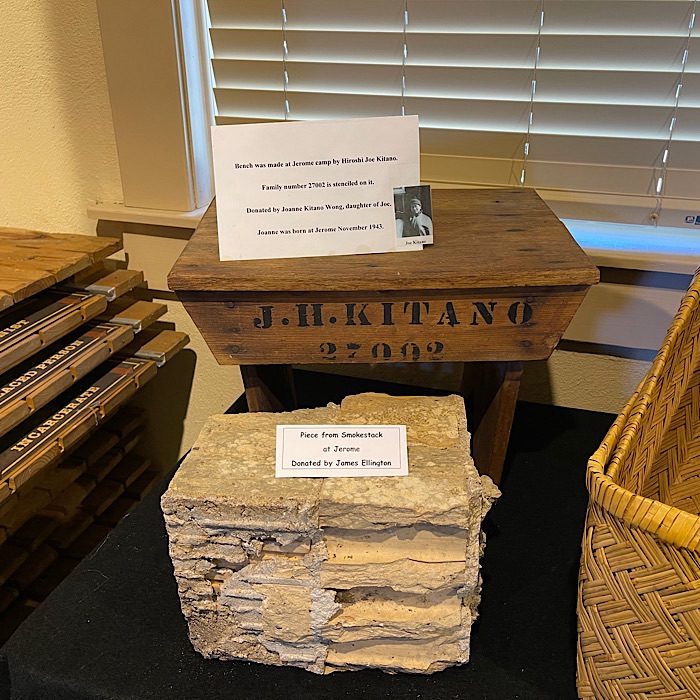


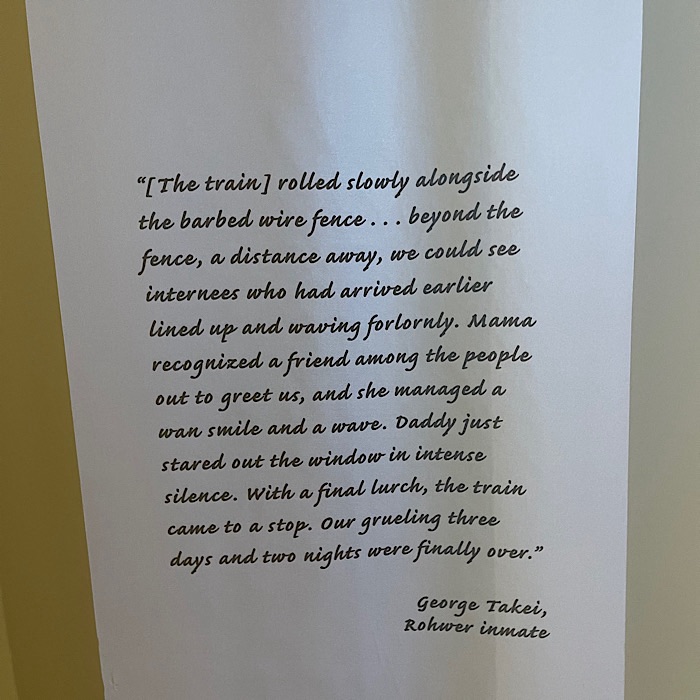
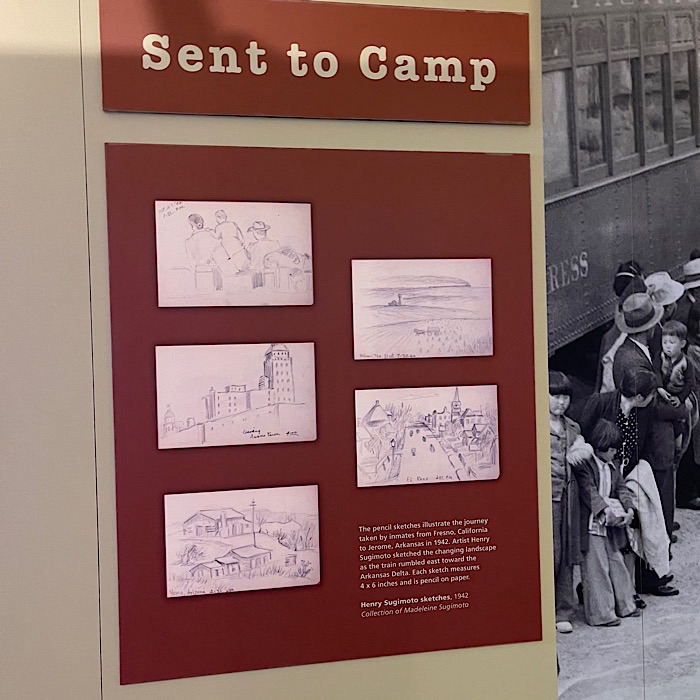


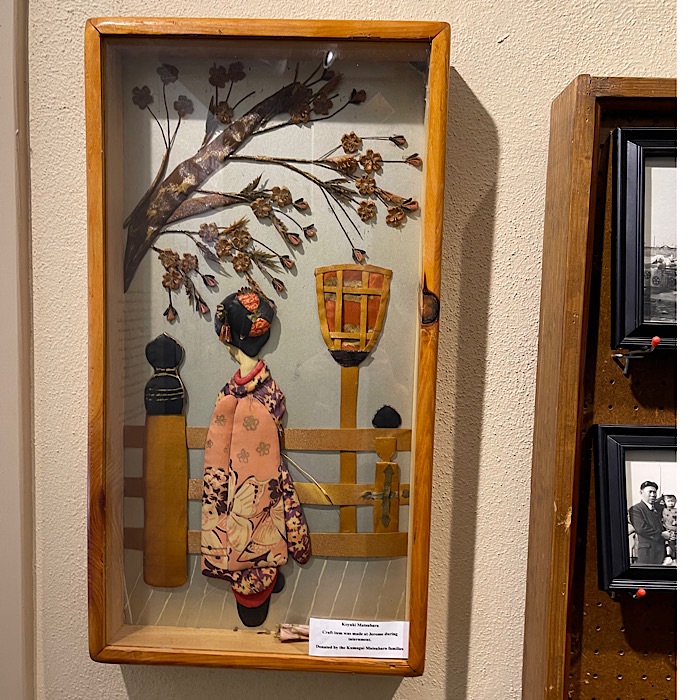
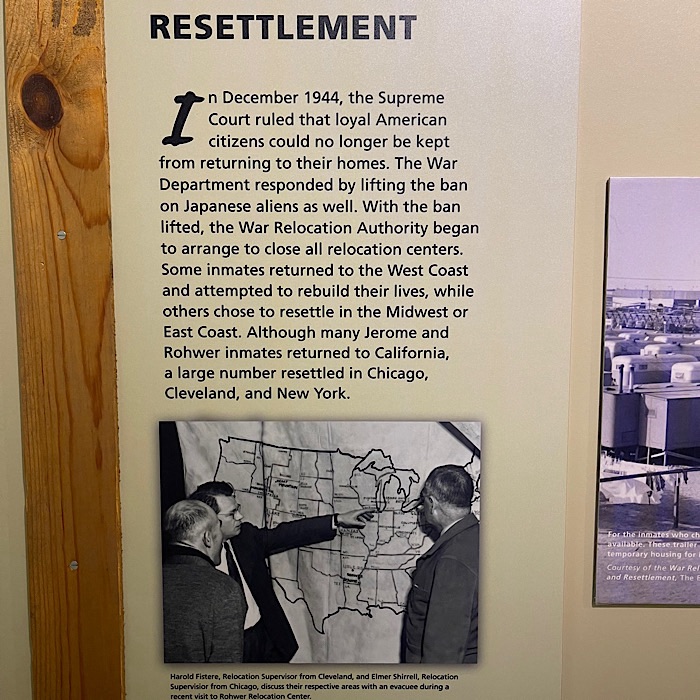

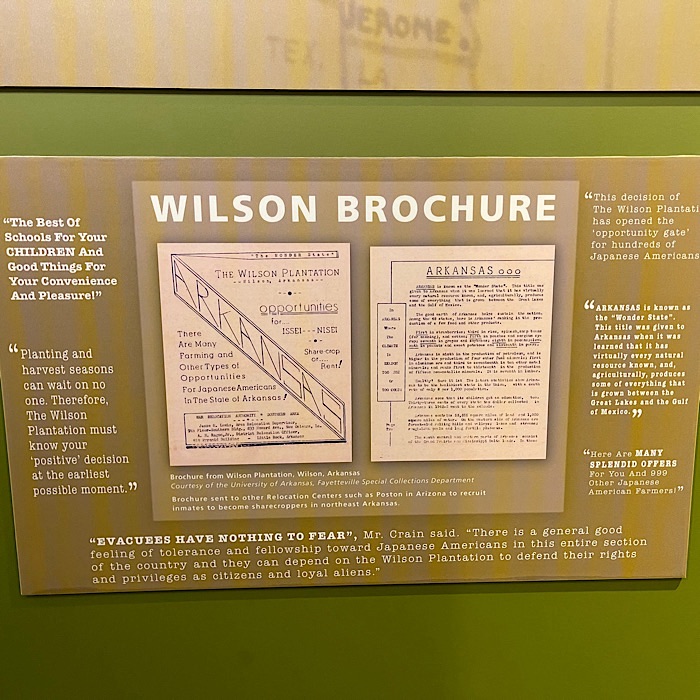
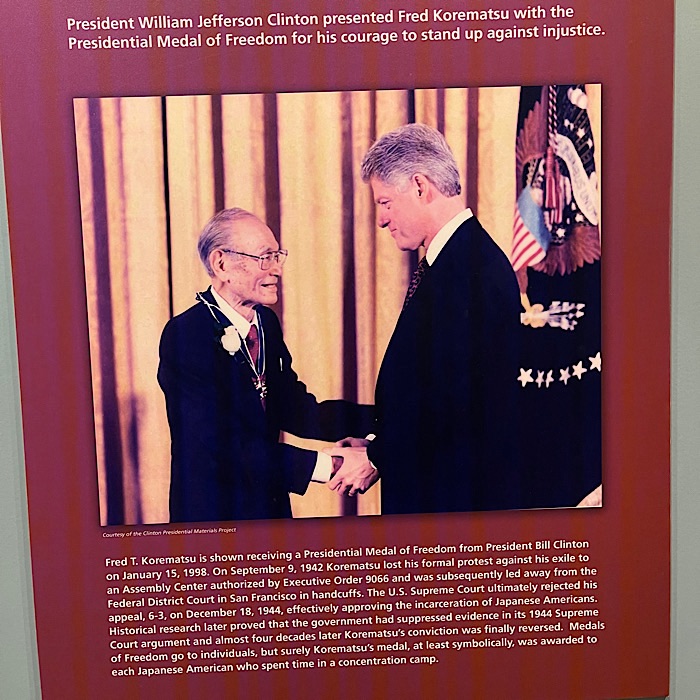
The only thing left of the physical structures of relocation centers is a chimney in a farmer’s field. Letters and dairies are part of the museum, holding the memories of those imprisoned.
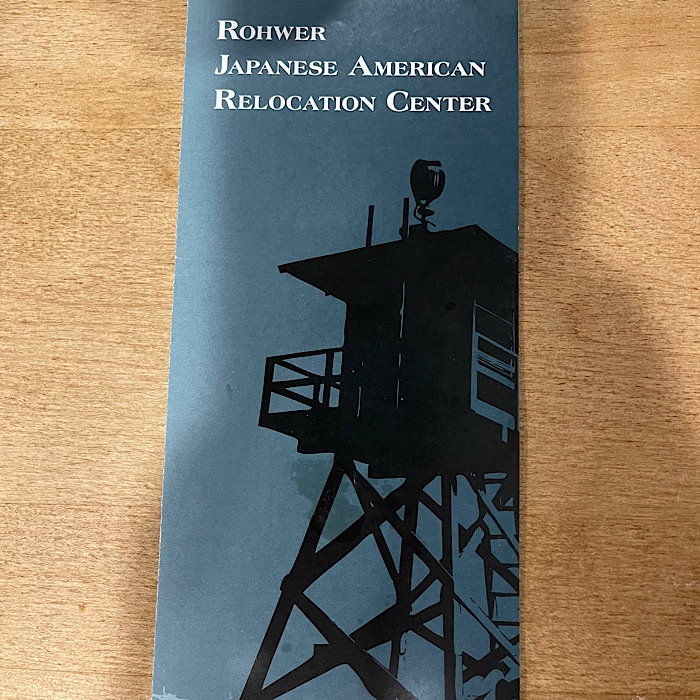
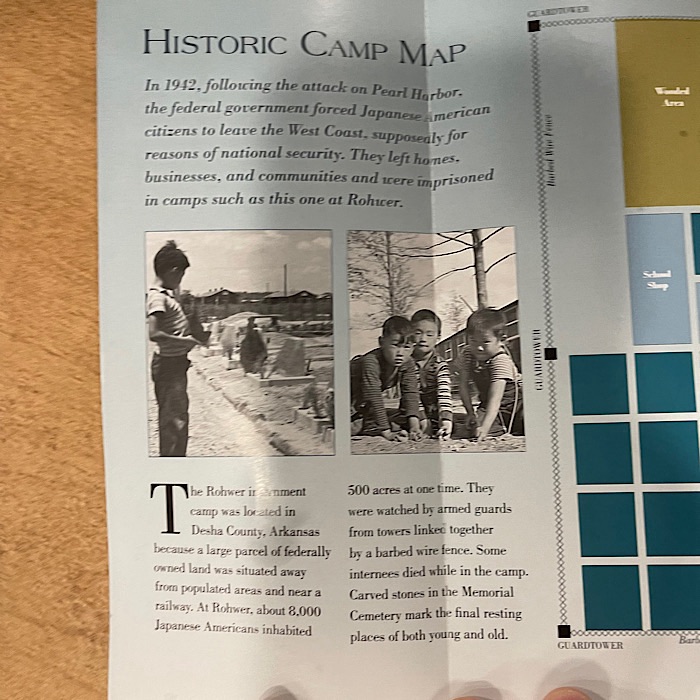
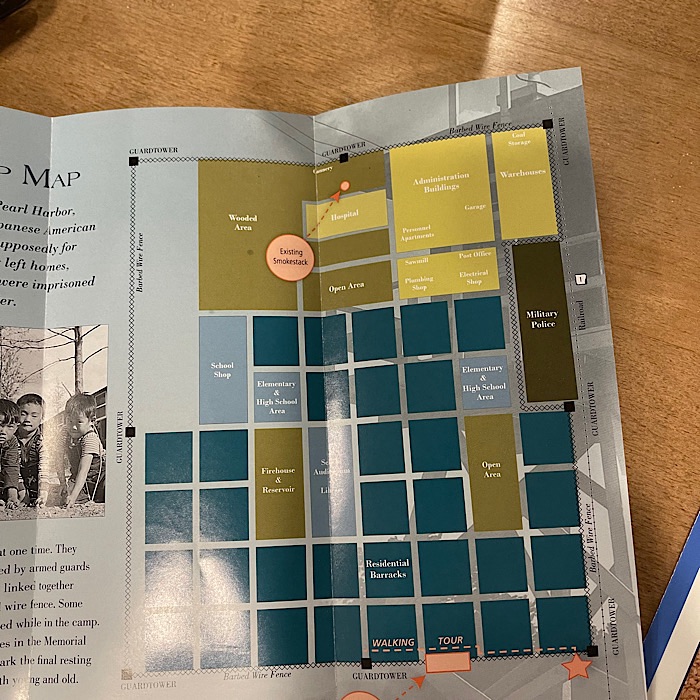
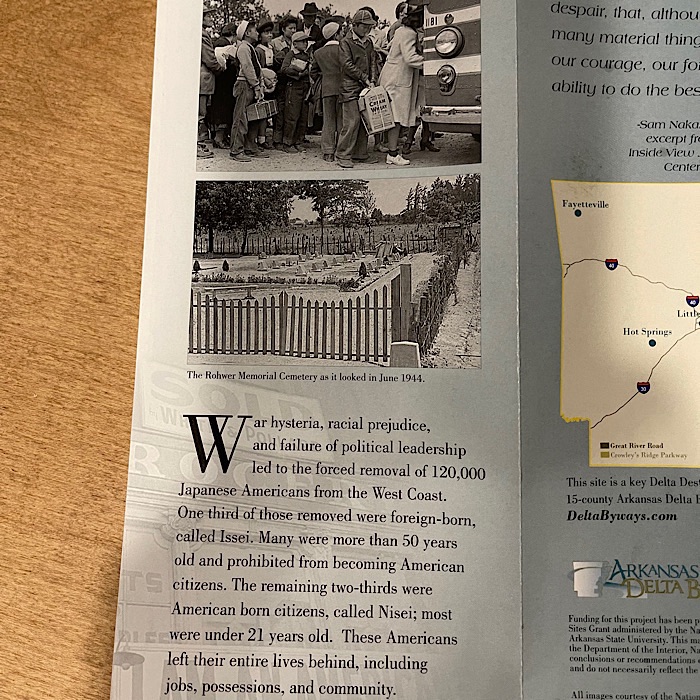

We did not visit the actual location of the relocation centers.
After our tour, we walked around town a bit. That will be another post, as this one is very long.


Such horrible history!
LikeLiked by 1 person
It is horrible and scary.
LikeLiked by 1 person
And yet these people came through the experience with composure and grace, not the anger in their hearts that you would expect.
LikeLiked by 2 people
I have heard of these relocation camps as an adult, but I don’t think we ever learned abut them in school. Not a proud part of history.
LikeLiked by 1 person
No, it isn’t. I didn’t learn about it in school either.
LikeLiked by 1 person
Wow, you did amazing job at covering this “camp,” and it’s like I had a virtual tour, thank you 🙏 (I need to bookmark this)
This is also the spot my dad and his family were interned at, and my brothers little brother died at after being hit by a truck. All we have is a picture of the two of them standing side by side, that I had never seen before, till he passed away recently.
LikeLiked by 1 person
Thank you for sharing your family’s story.
Thank you for your kind comments on my coverage of the museum.
The museum did what it was meant to do, document the events and the what happened to the people affected.
Thank you for sharing what happened to your dad and his family.
There is a graveyard for those who died in the “camps.” We didn’t see the graveyard.
LikeLiked by 1 person
Seriously, I got a virtual tour through you because the online information just has my family’s records like occupation, DOB, schooling, etc.
In case out of curiosity you were wondering, aside from George Takei and the boss from Back to the Future 2 going back to CA. My dad and his family from Stockton, CA, all settled in Denver, CO because of Governor Ralph L. Carr. He’s the one term Governor who the judicial building is aptly named after because of his role protecting people of German and Japanese ancestry in the state during the war.
Also, it turns out, I looked up the records again and it was my dad’s older brother that may be buried there, he was a year older (born in ‘39).
LikeLiked by 1 person
The museum also has letters and diaries from the prisoners that were donated. The letters are in a protective covering so people can read them. The museum has written histories by the some of the prisoners, as well.
We lived in Denver metro area for 26 years and I know the judicial building. I had no idea Carr helped protect people of German and Japanese ancestry after the war.
Parents often don’t talk about dead family member with their children. My dad never talked about his father except with his sisters.
LikeLiked by 1 person
Yeah, a lot of people in Denver didn’t know of the Japanese population in five points which was also considered the Harlem of the west (African Americans and the Japanese community are often next to each, like in LA, Compton and Gardena).
Many also don’t realize that majority of the food they eat in CA, CO, and many other states were by Asian Americans. A lot in CO, like my great grandfather, grandfather, and mother with their farm, that I think they just tore down after 110+ years 😭😭😭.
The last statistic I saw in CA, 50% were by AA.
Now, I think I might need to make that trek out to Rohwer.
LikeLiked by 1 person
I didn’t know of the Japanese population in five points.
We did often go to Federal and eat at the various restaurants in that area. I absolutely love Domo County Japanese Restaurant in Denver.
I didn’t realize how much of our food is grown by Asian Americans. I grew up on a dairy farm in the Deep South and most of the farmers were white with a few black farmers.
If you go, you might check with the museum ahead of time to see if they could pull any records for your father’s family for you.
LikeLiked by 1 person
That night I read your blog, I read the records of dad… weird, I never asked but only my grandfather was listed, no grandmother, although with all 4 kids (need to ask some questions 😂😂😂).
LikeLiked by 1 person
Sounds like there could be a story there!
LikeLiked by 1 person
Oh, I bet 🙄
LikeLiked by 1 person