April 11, 2025
On Friday (April 10), in the morning Bruce chainsawed more logs from the pine tree while I worked on our taxes.
Bruce came in exhausted from the chainsaw work. I was exhausted from dealing with taxes.
We decided to head into Muscle Shoals to print out the tax form at the library and mail it to the IRS.
After we dropped the form off at the post office, we tried a Chinese restaurant, Papa Wok. It was inexpensive and tasty.
While eating, Bruce asked if there was anything else I wanted to do. I said, “I would love to see the Japanese exhibit at the Tennessee Valley Museum of Arts.” Bruce thought that would be interesting as well, so after lunch, we headed to Tuscumbia to the Tennessee Valley Museum of Arts.
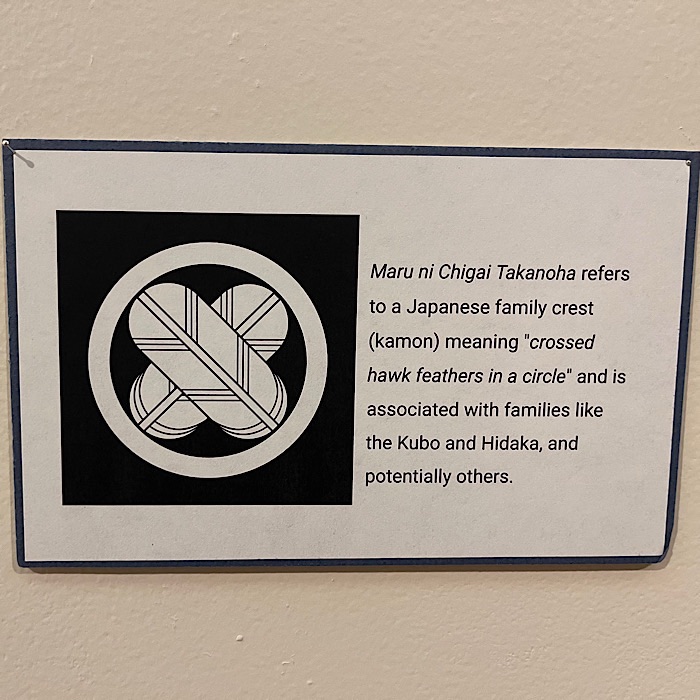
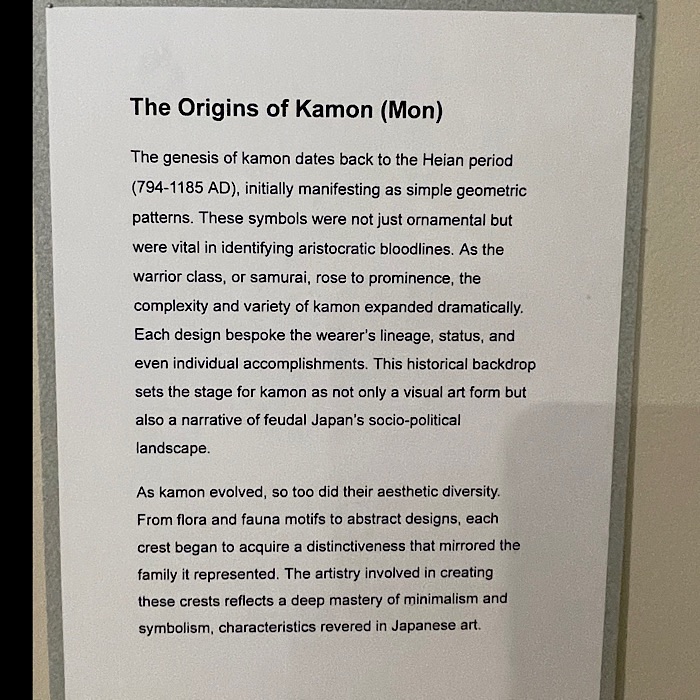
I am going to share my pictures of the fabric art in this blog post.




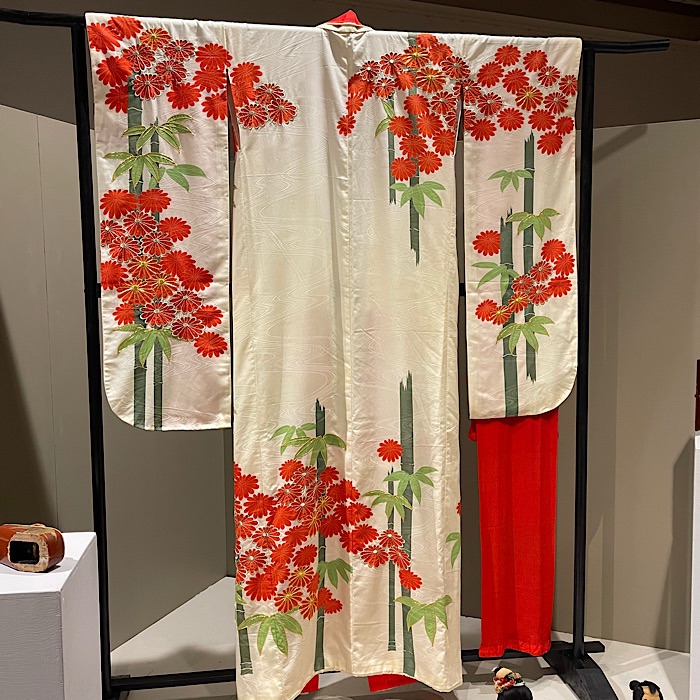
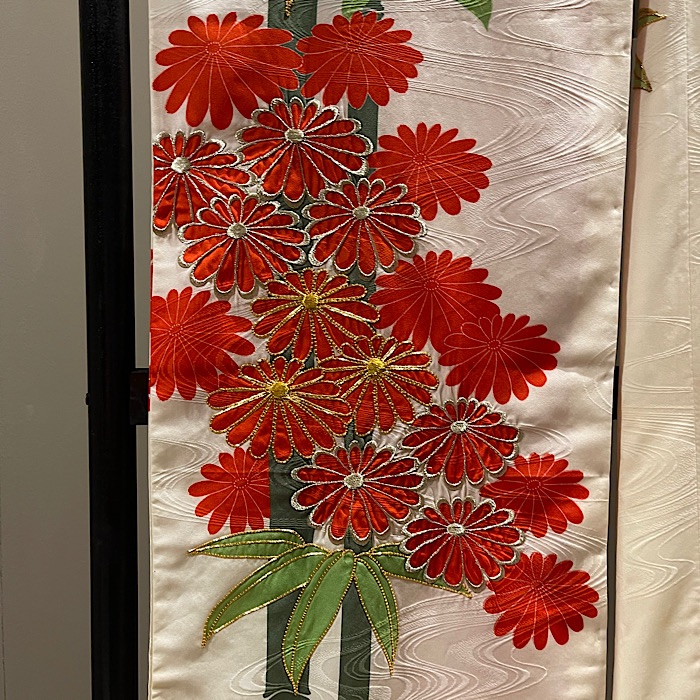
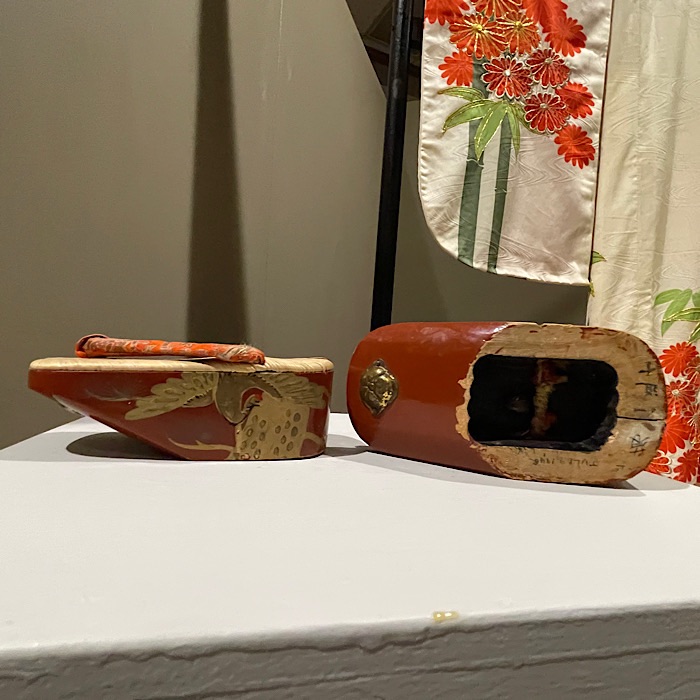


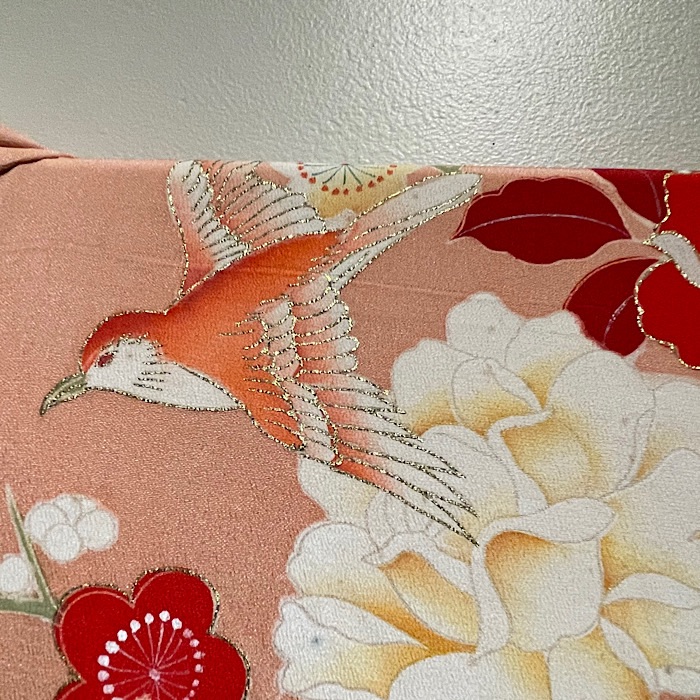


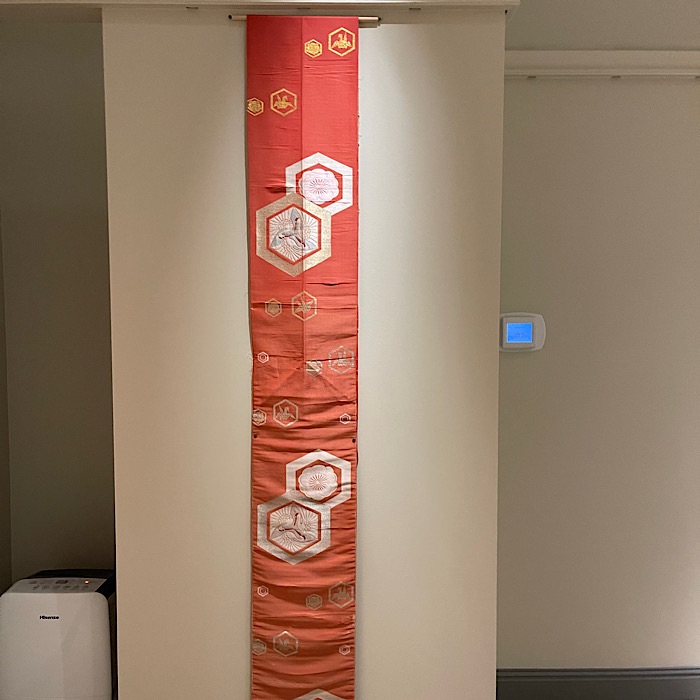
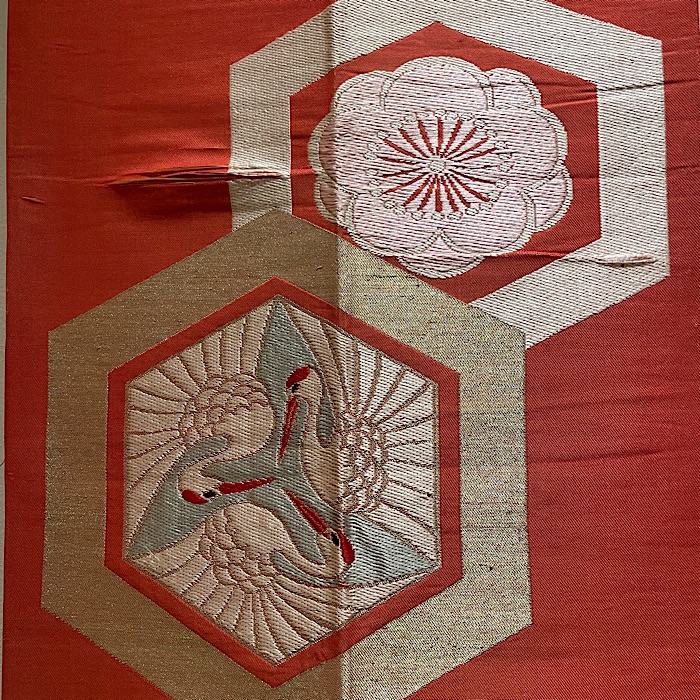


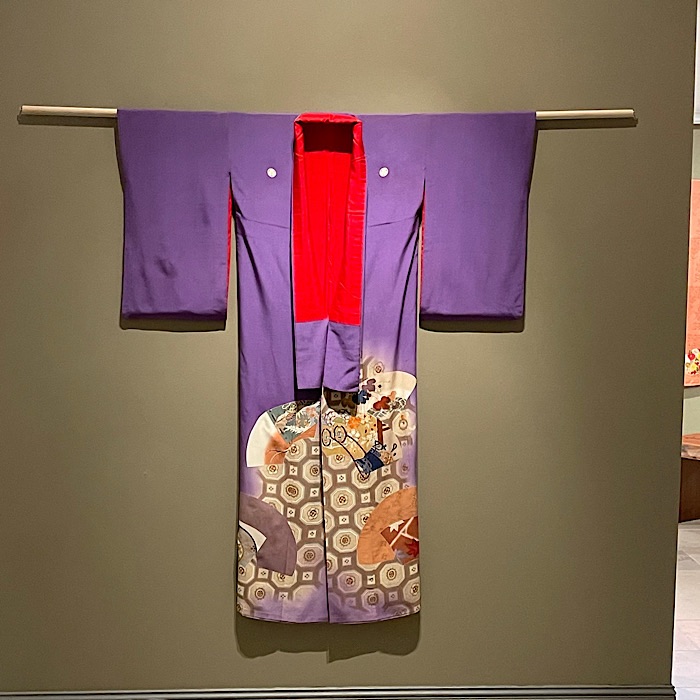
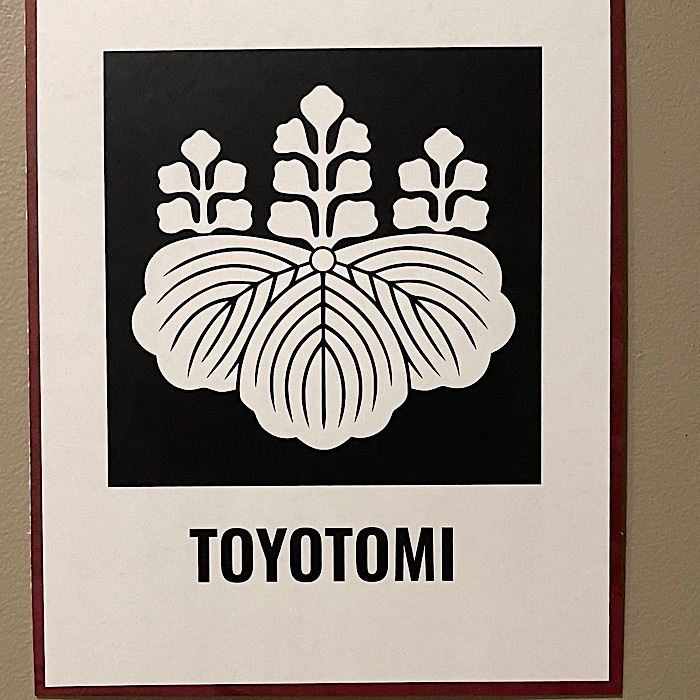
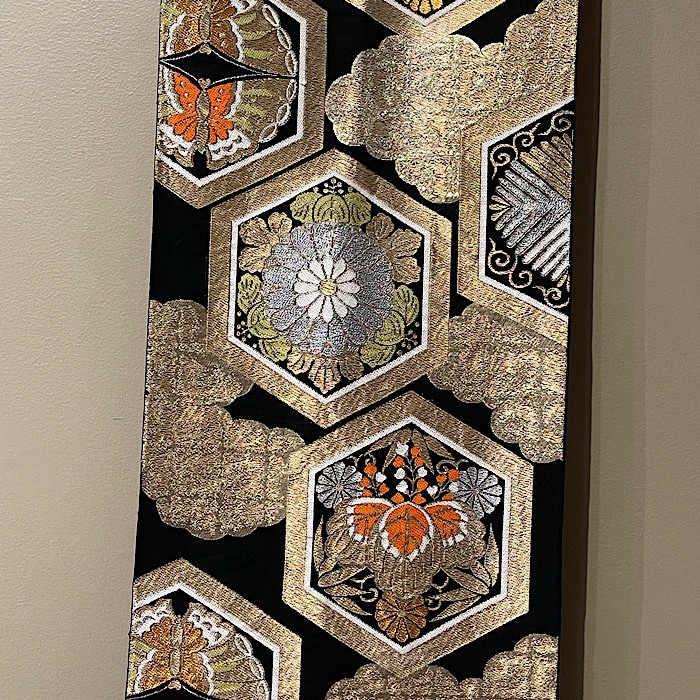

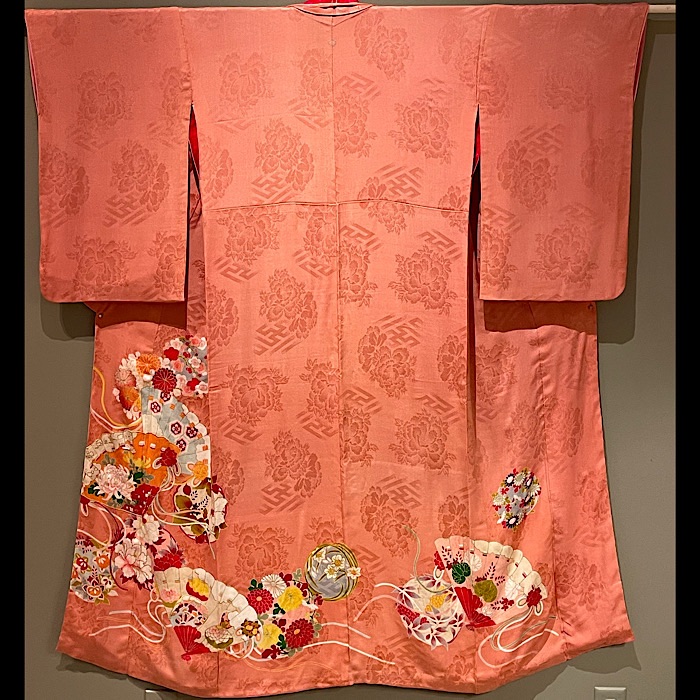


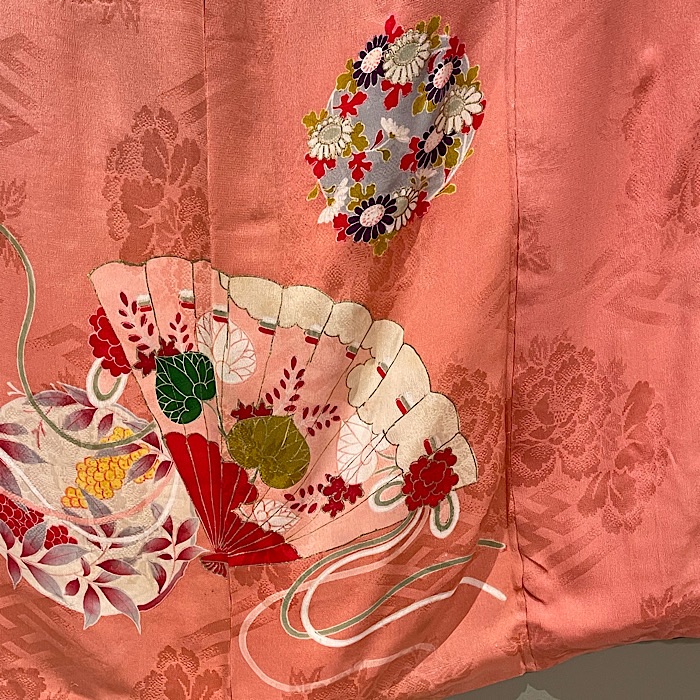

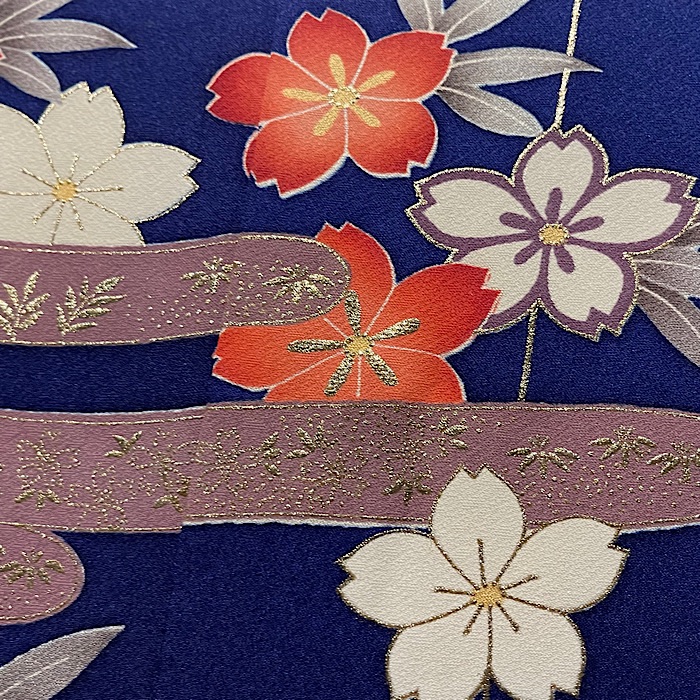

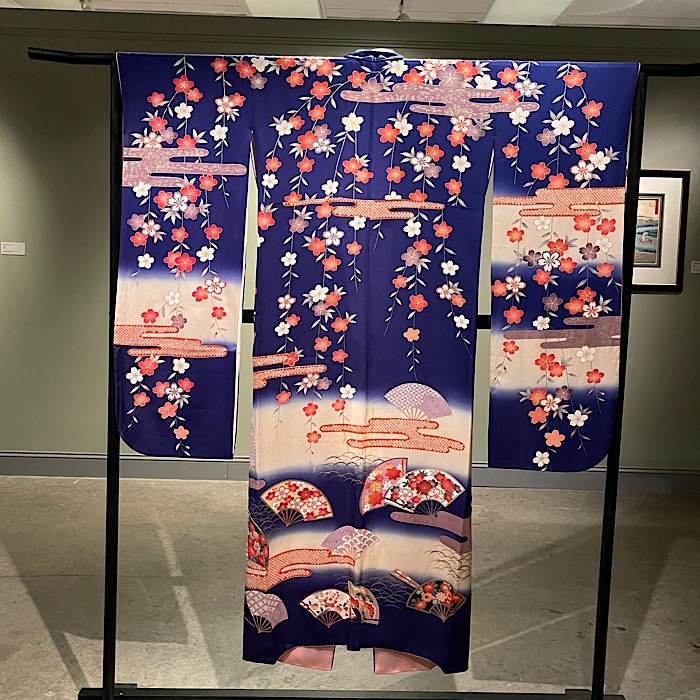


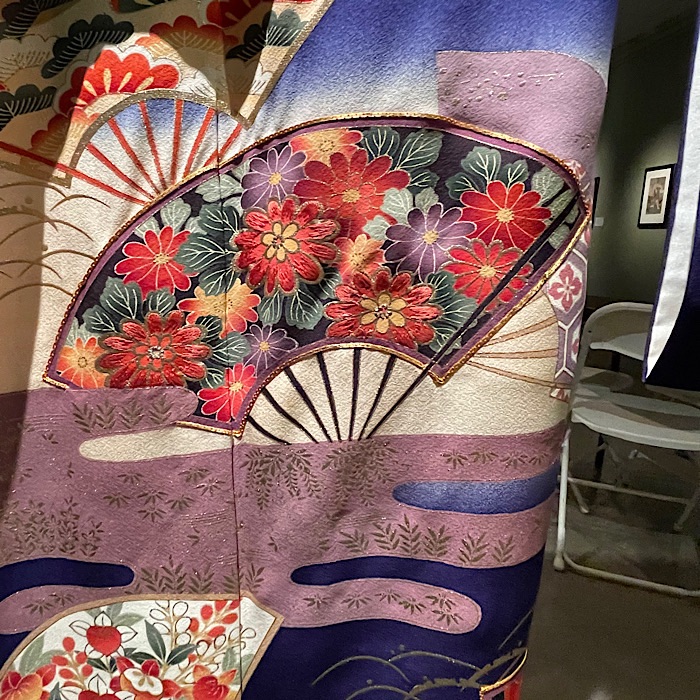
The kimonos are hand dyed or stenciled to get these beautiful images. Some sections are embroidered to highlight the fans, clouds, flowers or birds.

 Blackberry Homestead
Overwhelming!
LikeLiked by 1 person
To many pictures? I was amazed at the beauty of the kimonos.
LikeLiked by 1 person
No, I meant the amount of work that went into each of those pieces! I know that it was fashionable to weave sheer/semi-transparent kimonos and wear them sometimes up to 20 layers at a time to create a shimmering effect. To think of each having that much work on them is beyond belief.
LikeLiked by 1 person
Ah, thanks for the explanation! They are stunning pieces of art.
LikeLiked by 1 person
The patterns look so delicate and intricate! I also really appreciate that the museum made an effort to explain what’s on display — I imagine it would be quite difficult to make sense of it all without some context.
LikeLiked by 1 person
They are very delicate and lovely to see in person. The collection belongs to a local family. They and the museum members made a wonderful effort to explain what was on display. While I would’ve enjoyed just looking at the kimonos, reading how they were made added another layer to the experience.
LikeLike
Stunning!
LikeLiked by 1 person
Such intricate handwork–it is incredibly beautiful.
LikeLiked by 1 person
It is incredibly beautiful handwork, the painting and/or stenciling, then the embroidery on top of it, much of the embroidery threads made with some gold in it.
LikeLike